What's on our nature table right now (and how to start one with your kids)
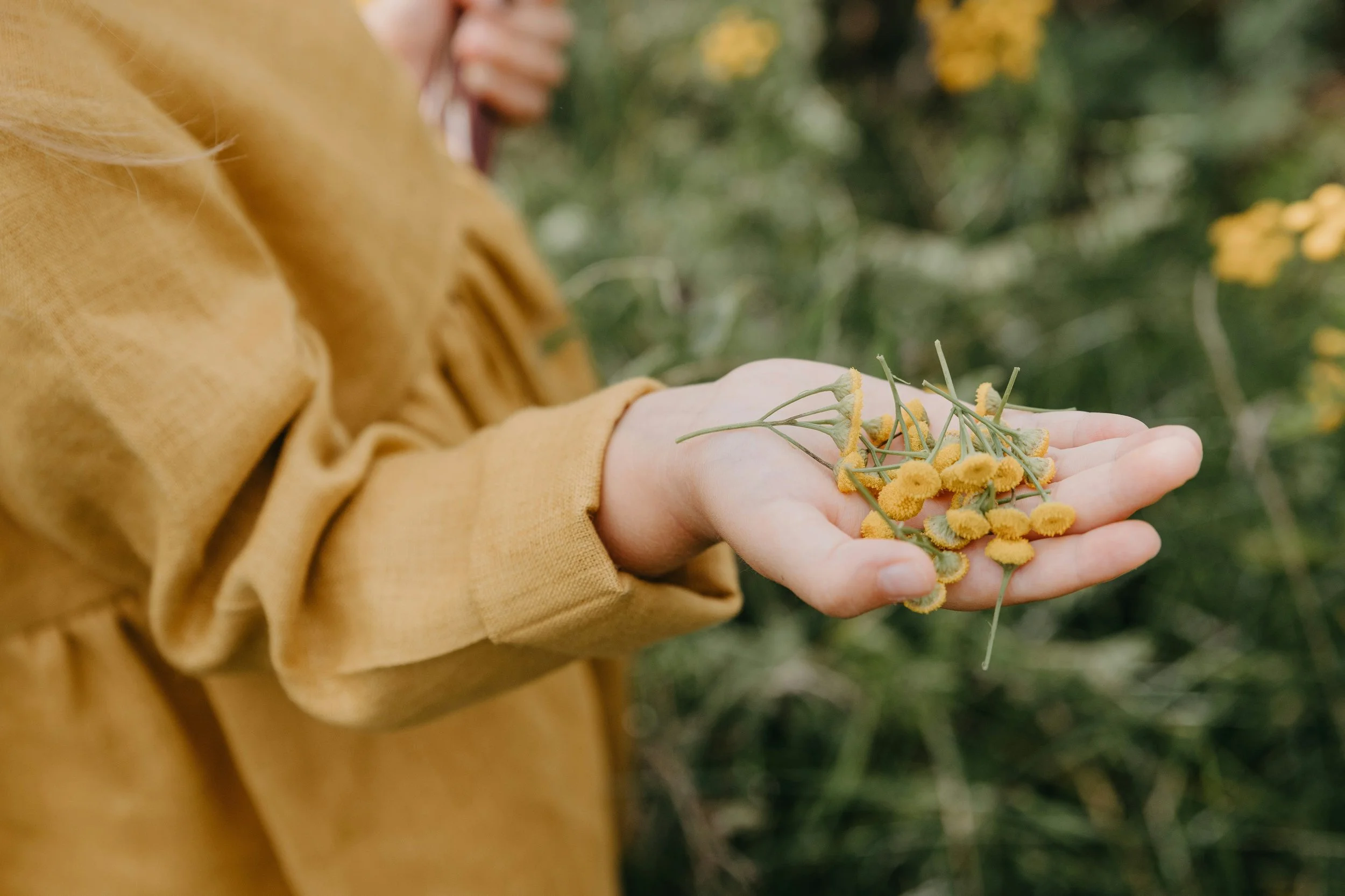
There's a small tray on our windowsill that has, at various points, feathers, acorns, shells from the beach, beautiful rocks from Flathead, a piece of bark that looked like a face, snail shells, and what my kid insists is a dinosaur tooth but is almost certainly just a rock.
That's a nature table. And if you've never heard of one, you're about to want one.
It's not a craft project. It doesn't require prep or supplies or a Pinterest-perfect outcome. It's just a dedicated spot where your kids bring the outside world in and actually look at it. Here's everything you need to know to start one this week.
What exactly is a nature table?
A small, rotating display of things your family has found outside. That's it. The concept comes loosely from Waldorf education, but you don't need to follow any particular approach. Give found natural objects a place of honor in your home, and kids engage with them far more deeply than a passing glance on a trail ever allows.
It could be a wooden tray on a side table, a windowsill with good light, or a low shelf your youngest can reach. The only rule: it's visible, accessible, and belongs to the kids.
What to put on it
The collection changes with the seasons and wherever your family has been lately.
Found outside:
Pinecones, acorns, seed pods, interesting rocks
Feathers, shells, dried moss, bark pieces
Seed heads, dried grasses, pressed leaves
A bird's nest found on the ground after a storm
A few tools that make it more interesting:
A magnifying glass — transforms how kids look at everything
Small labels so kids can "name" their finds
A nature journal for sketching what they see
How to get kids interested
Start it yourself. Put a few things on a tray before you say a word. A pinecone. A rock from the driveway. A feather from your walk. Leave it there. Kids notice. They add things. They bring their friends to show them.
A few things that help once it's going:
Go on a treasure hunt. Not a hike, just a slow walk where the goal is to find one interesting thing each. Even ten minutes around the block works.
Let them lead what stays. Resist the urge to curate it. If your kid wants to keep a random treasure next to the acorns, let it live there. Ownership is the whole point.
Ask questions instead of giving answers. "I wonder why this feather has those dark stripes" goes further than telling them what it is. The wondering is the thing.
Rotate seasonally together. At the start of each season, decide together what comes off and what stays. Pressed fall leaves get tucked into a journal. A summer shell collection moves to a jar. This becomes its own small ritual — we have seasonal scavenger hunts in the shop to kick each one off.
Go outside — even just to the end of your street — and find three things to bring back. A rock, a leaf, a seed. Put them on a tray. Tell your kids it's the nature table and it's theirs to add to. That's it. You’ve started.
This post contains affiliate links. If you purchase through them, Bright Spruce Co. may earn a small commission at no extra cost to you. We only recommend things we genuinely love. All opinions are our own.